Best Roofing Materials for Spring Hill, FL Homes: A 2026 Homeowner's Guide
Choosing the right roofing material is one of the most important decisions Spring Hill homeowners can make, and it shapes every residential roofing project in Spring Hill, FL, from permitting through insurance renewal. Spring Hill sits in Hernando County, just a short drive from the Gulf Coast, creating a climate of relentless UV exposure, year-round humidity, afternoon downpours, and real hurricane risk. Getting the material choice wrong can mean higher energy bills, insurance headaches, and a roof that wears out faster than expected.
Why Spring Hill's Climate Changes Everything About Material Selection
Hernando County homes face high-intensity UV, summer humidity, heavy downpours, and direct hurricane exposure. Florida Building Code requires roofs in this area to meet wind-uplift standards, and roofing products must carry Florida Product Approval to be legally installed here. Every fastener, underlayment, and shingle must be chosen with those demands in mind.
The Three Main Roofing Materials for Spring Hill Homeowners
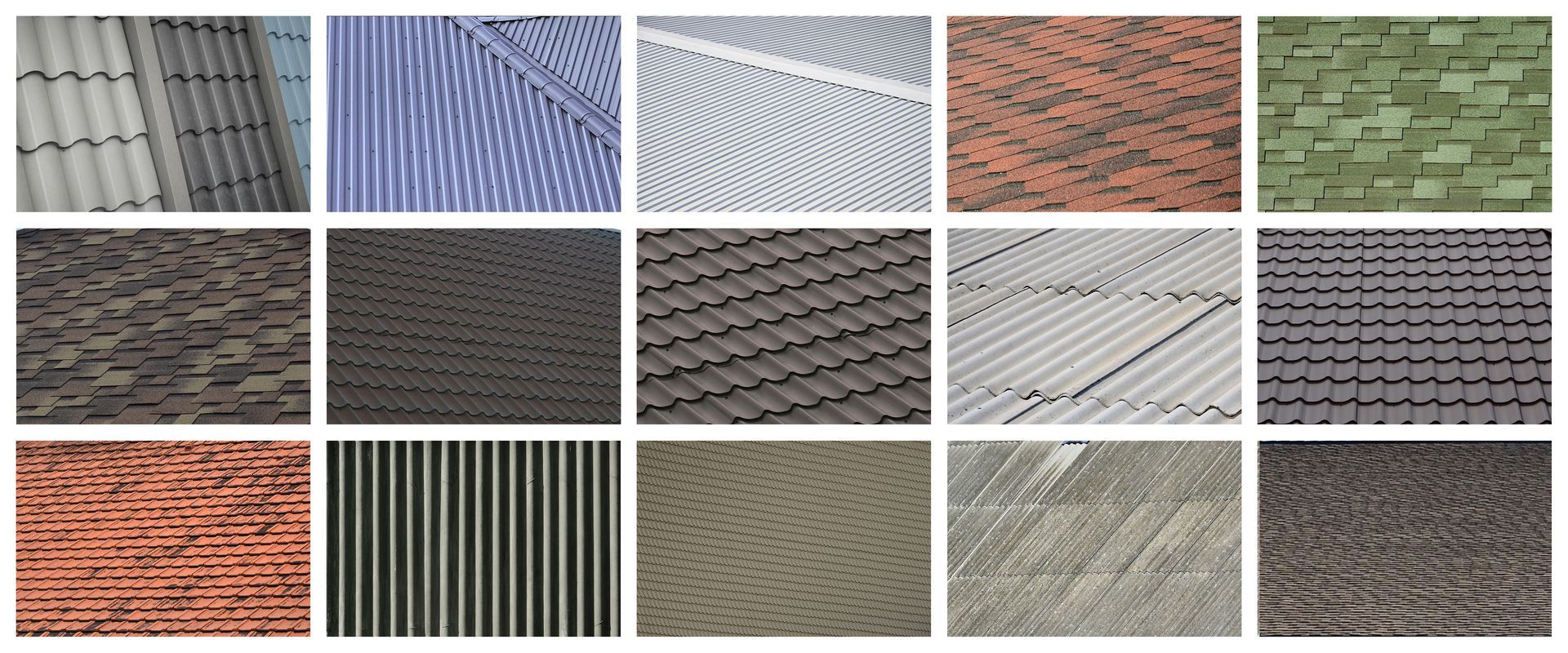
Residential roofing in Spring Hill, FL typically comes down to three choices: asphalt shingles, metal, and tile. Each has real strengths and real trade-offs.
Asphalt Shingles
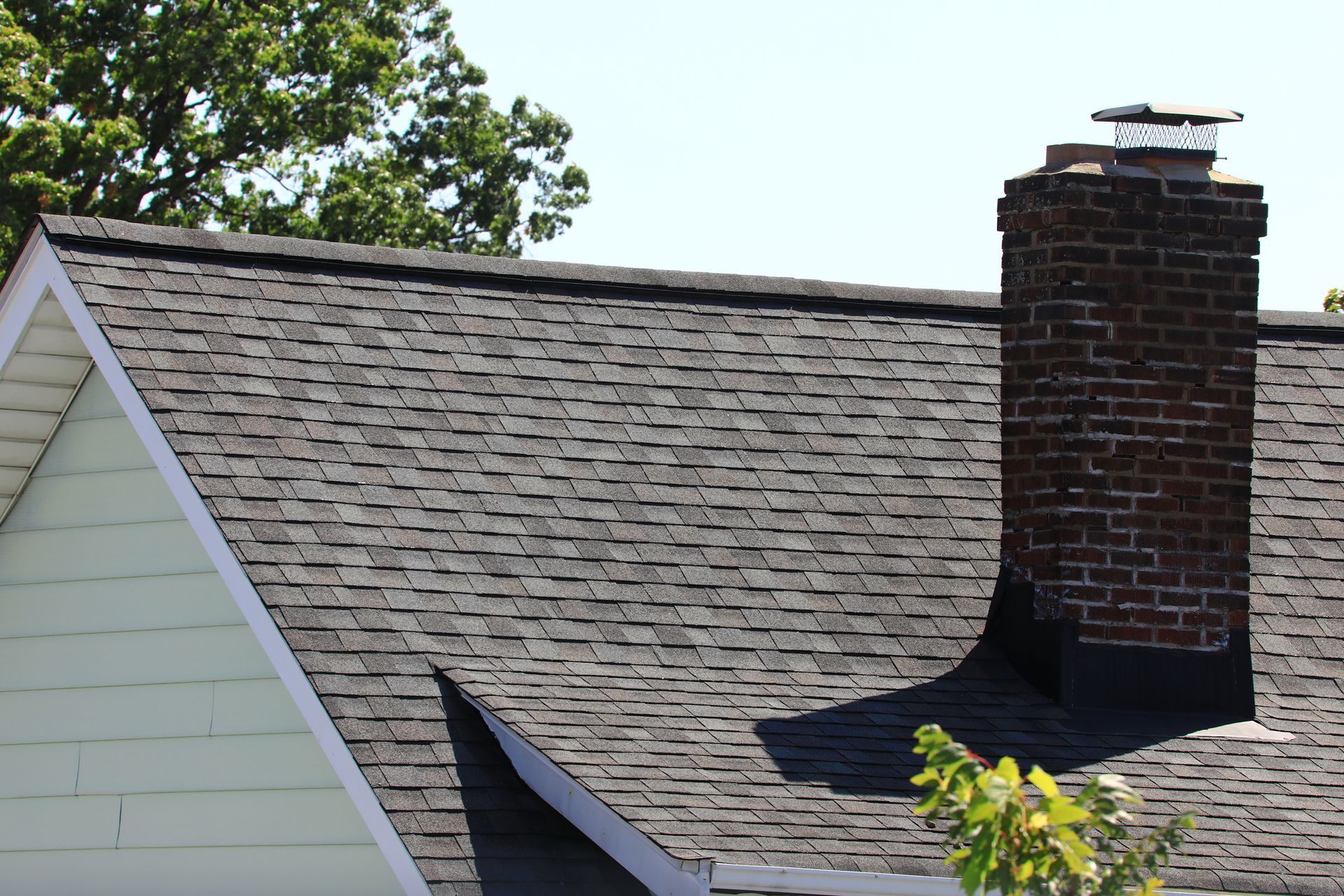
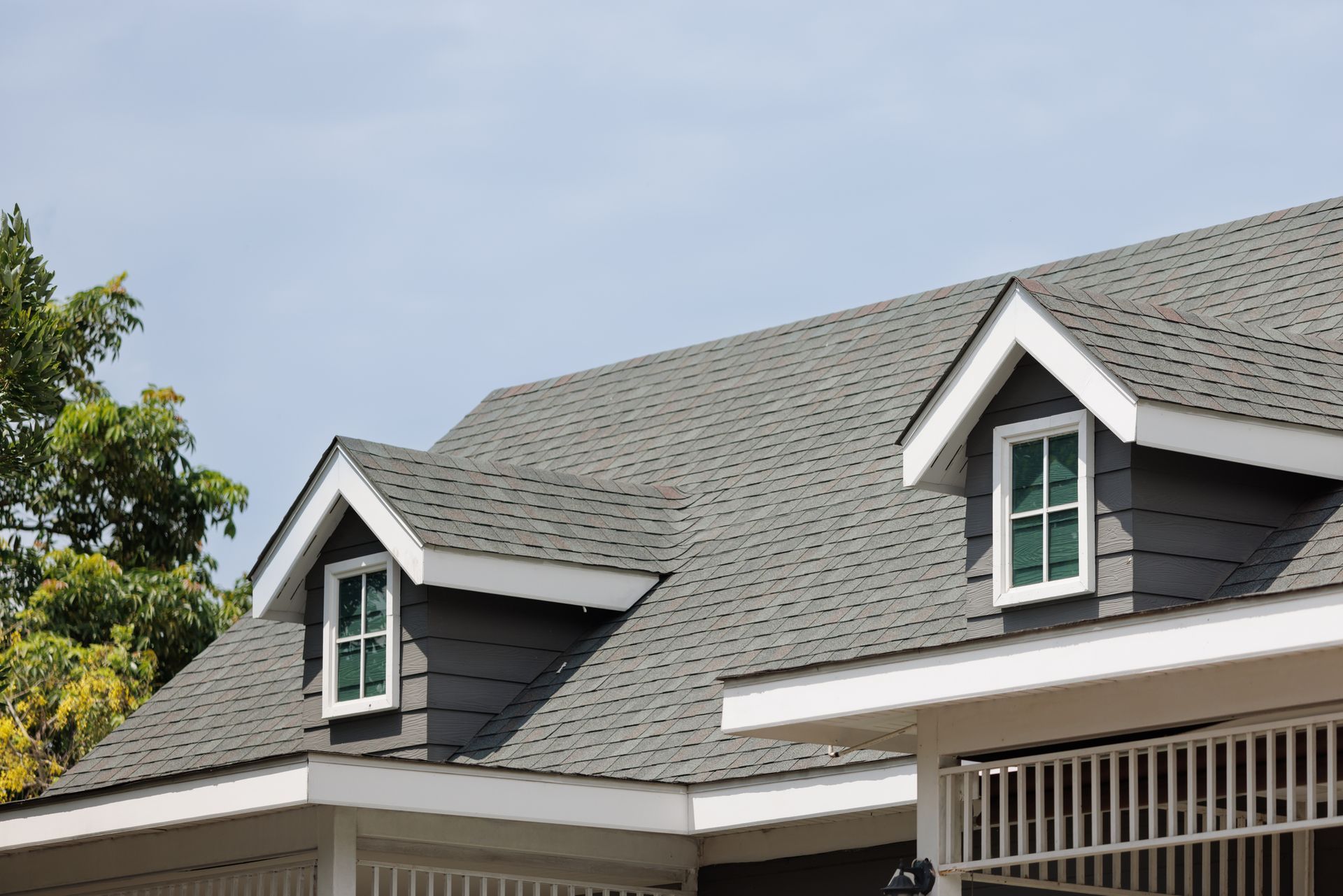
Asphalt shingles are the most common and most affordable option upfront, and installation is typically completed quickly. Modern architectural shingles carry wind resistance ratings up to 130 mph when installed to Florida Building Code standards, and they come in a wide range of colors to suit neighborhoods across Spring Hill.
The main trade-off is lifespan. Florida's UV, humidity, and hurricane-season winds shorten shingle life to 15 to 25 years, compared to 20 to 30 years nationally. Florida insurers also pay close attention to roof age, and an aging shingle roof can raise premiums or complicate renewals.
Shingles are the right fit if you need a budget-conscious solution, plan to sell within several years, or want the lowest barrier to a code-compliant roof today.
Metal Roofing
Metal roofing has grown in demand across Spring Hill following recent hurricane seasons, and it is now one of the fastest-growing choices in residential roofing in Spring Hill, FL. Standing-seam metal roofs can withstand very high wind speeds and reflect heat effectively, helping reduce attic temperatures and cooling costs during Spring Hill's long summers. The concealed-fastener design creates fewer potential failure points in a high-wind environment.
Metal roofs last 40 to 70 years in Florida's climate, meaning many homeowners will never need to reroof again. Many Florida carriers treat metal as a long-life material, which can work in your favor on premiums and renewals. Upfront cost is the main drawback, though, on a cost-per-year-of-service basis, metal often outperforms shingles over time. If you live near the Gulf side of Hernando County, ask your contractor about the metal grade specified, as salt air can accelerate corrosion.
Tile Roofing
Clay and concrete tile are immune to salt air and humidity, and tile can last 50 years or more, though the underlayment beneath it may need replacement around the 20- to 30-year mark. The weight of tile makes it naturally resistant to wind uplift, and the air gap between tile and the roof deck helps reduce heat transfer into the home.
Tile is typically the premium-priced option and requires your home's structure to support its weight, so a structural evaluation is part of the process. Tile suits homeowners who want the longest possible lifespan, prefer the traditional Florida aesthetic, and plan to stay in their home long term.
What Is the Right Material for My Spring Hill Home?
The answer depends on your budget, how long you plan to stay, your insurer's requirements, and any neighborhood guidelines.
- Choose asphalt shingles if you need the most affordable upfront option and want a code-compliant, wind-rated roof installed quickly.
- Choose metal if you want the best combination of hurricane resistance, energy efficiency, and long-term value without a mid-ownership replacement.
- Choose tile if you want the longest possible lifespan, a traditional Florida look, and your home's structure can support the weight.
Hernando County requires a permit for virtually every roof replacement, including plan review and a final inspection confirming the work meets Florida Building Code wind requirements. Any contractor you hire should pull the permit and handle inspections as a standard part of the job.
Scheduling a wind-mitigation inspection after installation is also worth doing. Florida offers insurance discounts for features like a hip roof shape, hurricane straps, and a qualifying secondary water barrier, and these can meaningfully reduce what you pay for homeowner's insurance year over year.
Do I Need a Wind Mitigation Report After My Roof Is Replaced?
A wind-mitigation report documents roof features that may qualify you for insurance discounts under Florida law. After a full replacement, your new roof may qualify for credits that reduce your annual premium. Ask your roofing contractor and insurance agent about scheduling this report after the final inspection.
Does My HOA Affect Which Roofing Material I Can Choose?
Some Spring Hill communities restrict roofing materials or colors. Before committing to any material, review your community's covenants, particularly for metal roofing where certain HOAs may limit profiles or finishes. A contractor experienced in residential roofing in Spring Hill, FL, will be familiar with local HOA patterns and can help you navigate this step.
Ready to Protect Your Spring Hill Home With the Right Roof?
AAA Roofing brings over 40 years of experience helping homeowners choose and install the right roofing system for Florida's demanding climate, with residential roofing in Spring Hill, FL, a core part of that work. As a family-owned company with an in-house crew and no subcontractors, AAA Roofing delivers dependable craftsmanship on every project, along with working knowledge of local code requirements, insurance expectations, and HOA guidelines.
Request a free estimate to get started, or call (352) 563-0411 to speak directly with the team.